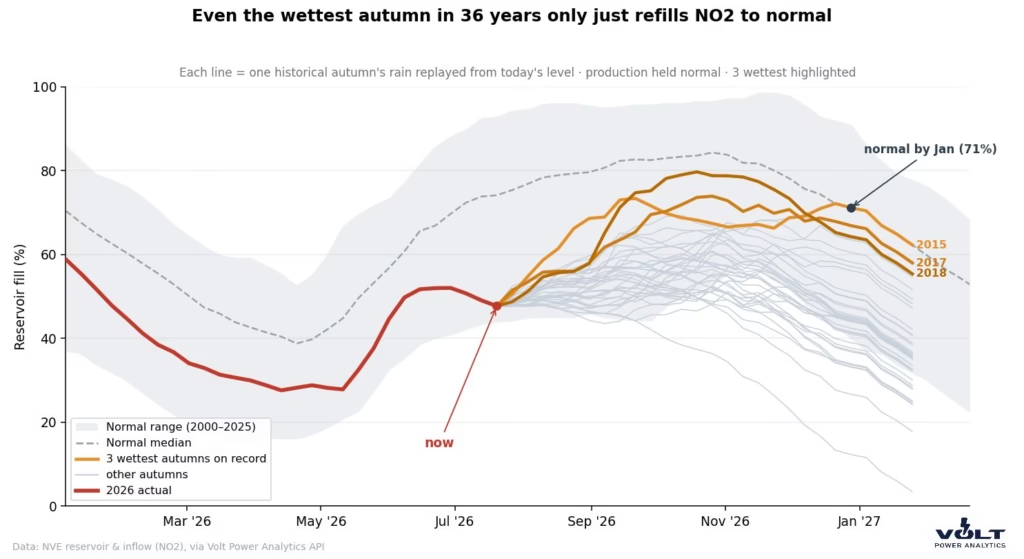
Even the wettest autumn on record would only just refill NO2 reservoirs to normal by the end of 2026.
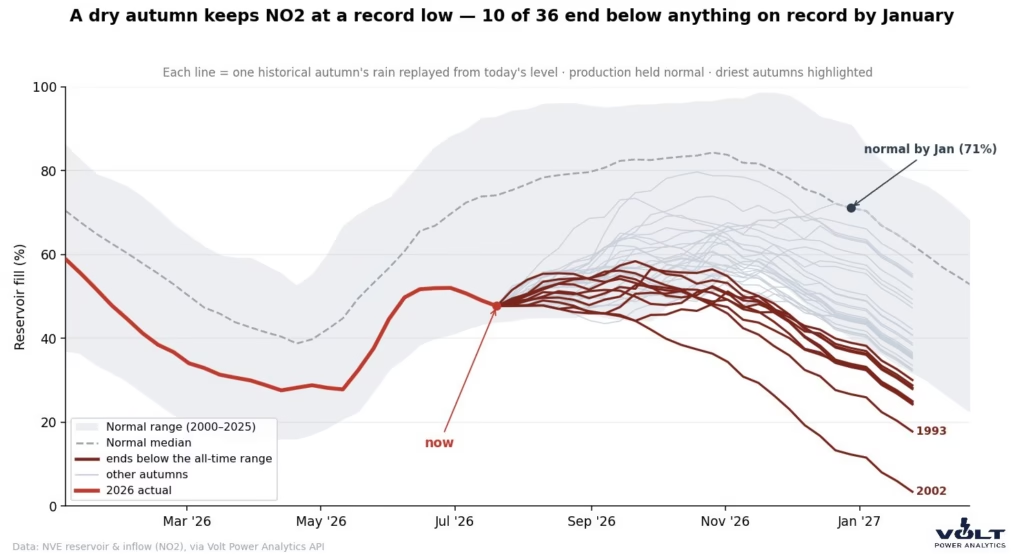
NO2 is currently at a striking 47.7% fill level, the lowest for this time of year in more than 20 years. NO3 and NO5 show similar patterns, both below 57%.
How Wet Does It Need to Be?
We analysed just how wet the autumn would need to be to refill reservoirs.
To reach normal levels by the end of 2026, NO2 needs to cover a hydrological deficit of around 9 TWh. That would require autumn inflow from August to December to come in approximately 58% above normal.
If we replay every autumn since 1990 from today’s reservoir level and keep production at normal levels, even the single wettest autumn on record — 2015 — would only just bring NO2 back to normal.
Every other historical autumn falls short.
For NO3 and NO5, the situation is slightly easier. Both would need one of the two wettest autumns since 1990 to return to normal levels.
The Downside Is Much Deeper
The downside, on the other hand, is significant.
The 10 driest out of 36 historical autumns would leave NO2 below anything ever recorded for that time of year by the end of 2026.
Rainfall Is Not the Only Factor
Rainfall and inflow are not the only factors determining reservoir refill.
Norway can also retain more water by importing more electricity and producing less hydropower. This would help support reservoir levels through the rest of the year.