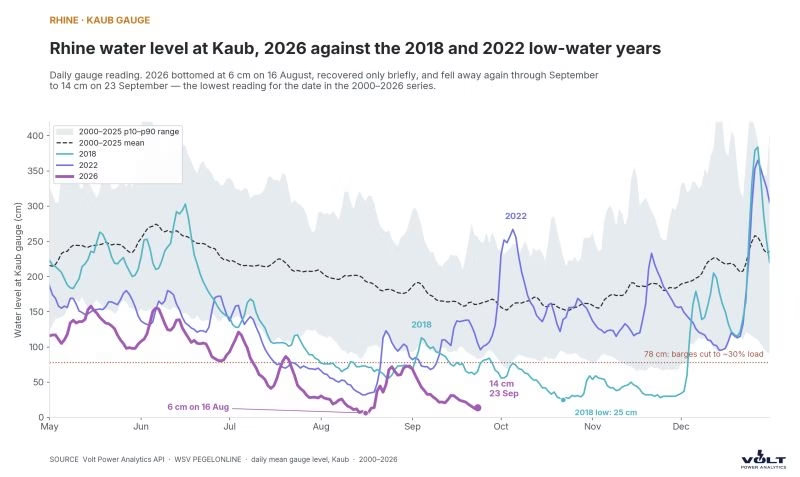
The river level at Kaub is currently at 14 cm. We would expect coal generation to be squeezed, but it is not.
Kaub hit an all-time low on 17 August 2026, reaching just 6 cm relative to the gauge reference height, according to BfG records extending all the way back to 1880.
Since then, levels recovered slightly before falling again through September.
Rhine Water Levels Remain Exceptionally Low
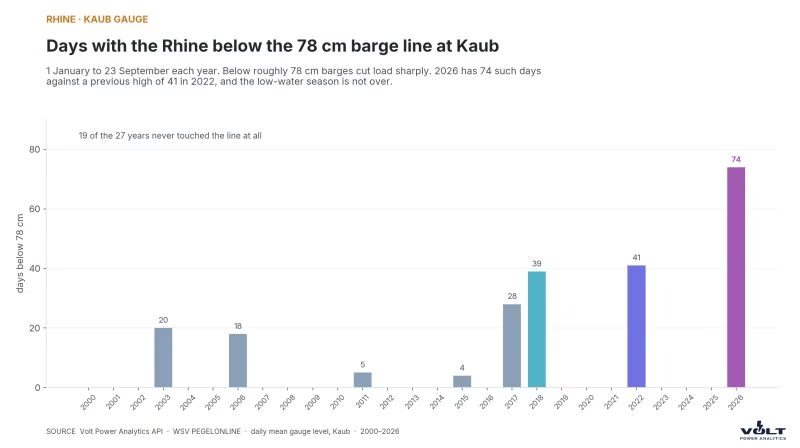
So far this year, 74 days have been below the 78 cm barge line, where barges have to operate with only around 30% cargo capacity.
The previous high was 41 days in 2022.
All six Rhine gauges we follow are currently at their lowest levels for this time of year since 2000, when our records begin.
The Rhine Has Experienced an Exceptionally Dry Year
2026 has been an exceptionally dry year.
According to our analysis, the Rhine area has received just 77% of normal rainfall so far this year, making it the second-driest year since 2000, beaten only by 2003.
What Are the Implications for the Power Market?
Run-of-river hydropower production in Germany and France is down 37% and 28% respectively in September so far, compared with the 2019–2025 average.
Coal, on the other hand, is pretty much unaffected.
German hard coal generation has averaged 3.2 GW in September so far, around the same levels as in 2023 and 2024.
Most German coal generation comes from lignite mined beside the power plants rather than transported by river.
The remaining hard coal plants run on stockpiles, meaning low Rhine water levels raise freight costs without stopping generation.
The hard coal fleet is now about half the size it was in 2018, leaving far less coal to transport anyway.
Ironically, the drought that limits run-of-river hydropower and dries up the Rhine leaves coal generation largely untouched.